The Strip, 1966

A mile and a half of Sunset Boulevard, and for two years Ronnie Haran decided who played it. Tap a number.

Doheny Clark Hilldale Sunset Plaza La Cienega Kings Rd Crescent Heights WESTEASTSUNSET BOULEVARD 01 02 03 04 05 06
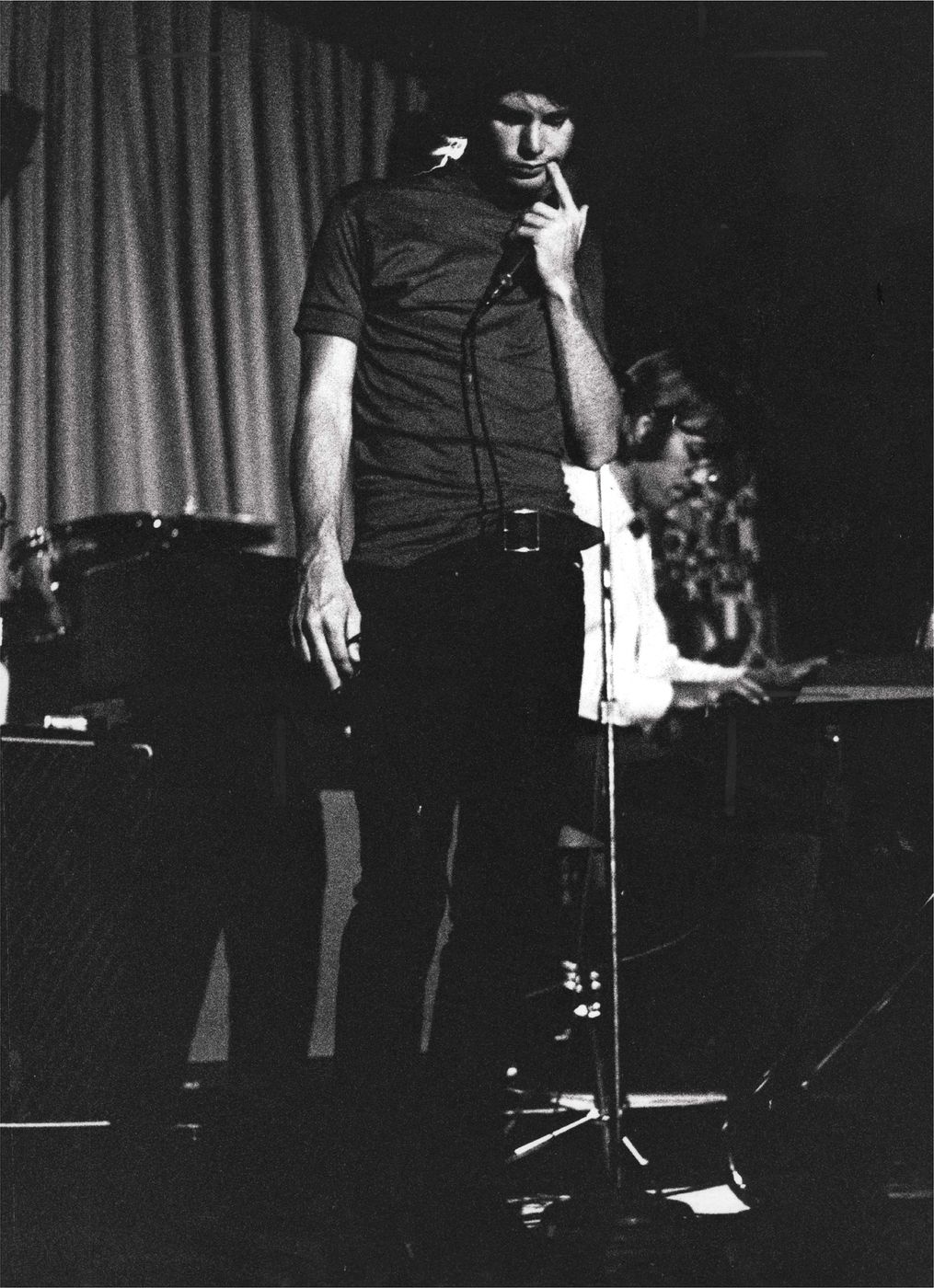
Jim Morrison and Ray Manzarek on the Whisky stage© Ronnie Haran
01

Whisky a Go Go

8901 Sunset, at Clark

Elmer Valentine hired her in 1965 to do publicity for a struggling discotheque. She sold the Chamber on a kitchen so 18-year-olds could get in, booked The Young Rascals, and turned the room over to live rock. From May 23 to August 21, 1966 The Doors were the house band here, playing two sets a night. Love wrote a song about this block: Between Clark and Hilldale.
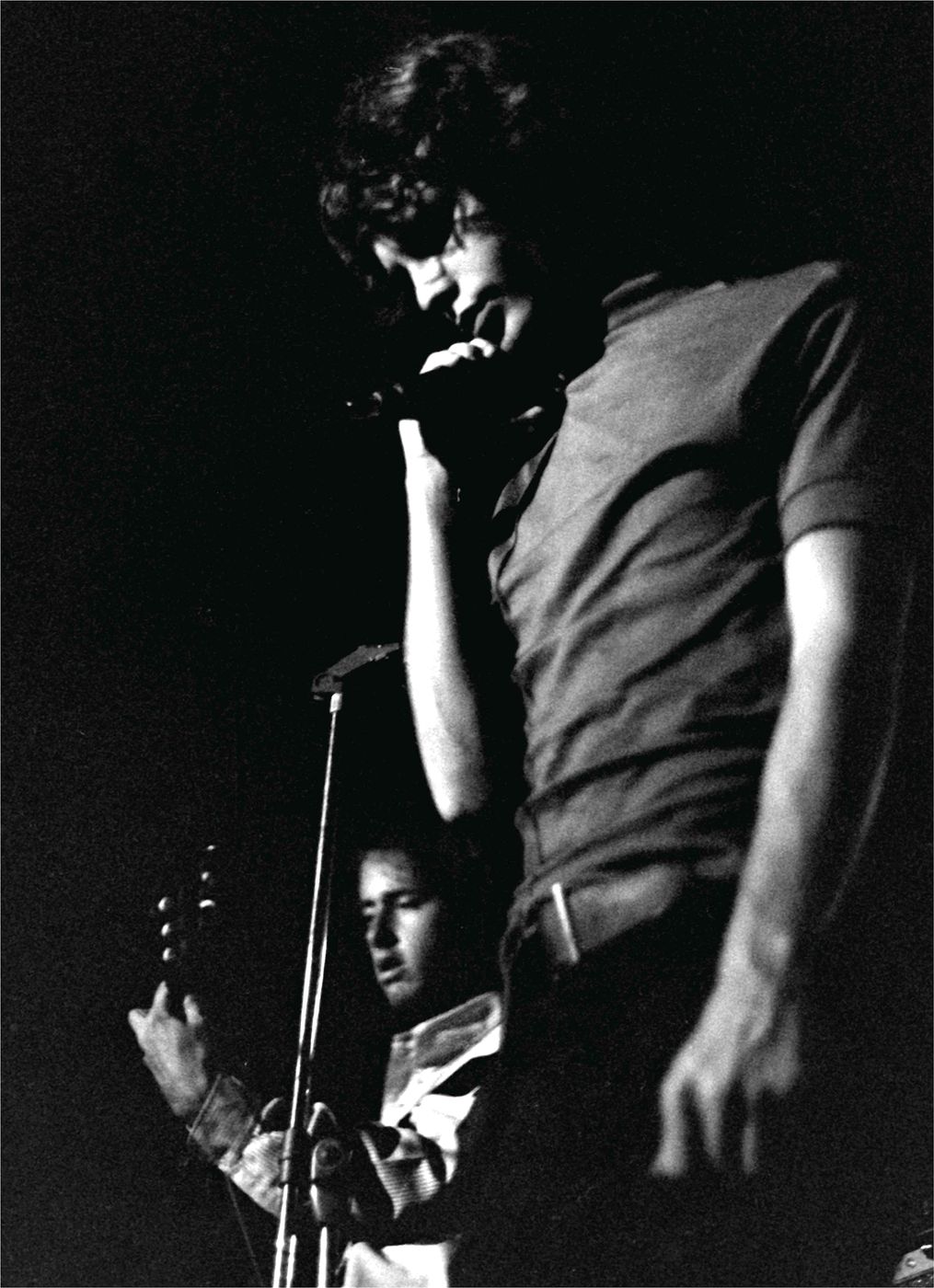
Jim Morrison and Robby Krieger© Ronnie Haran
02

The London Fog

8919 Sunset, two doors east

A small club with a small stage. On May 9, 1966 Ronnie came in with her friend Peter Asher to hear a band nobody was booking. The Doors were fired that night. She got them into the Musicians Union, and a week later they were on the Whisky stage.

© Ronnie Haran
03

The Trip

8572 Sunset

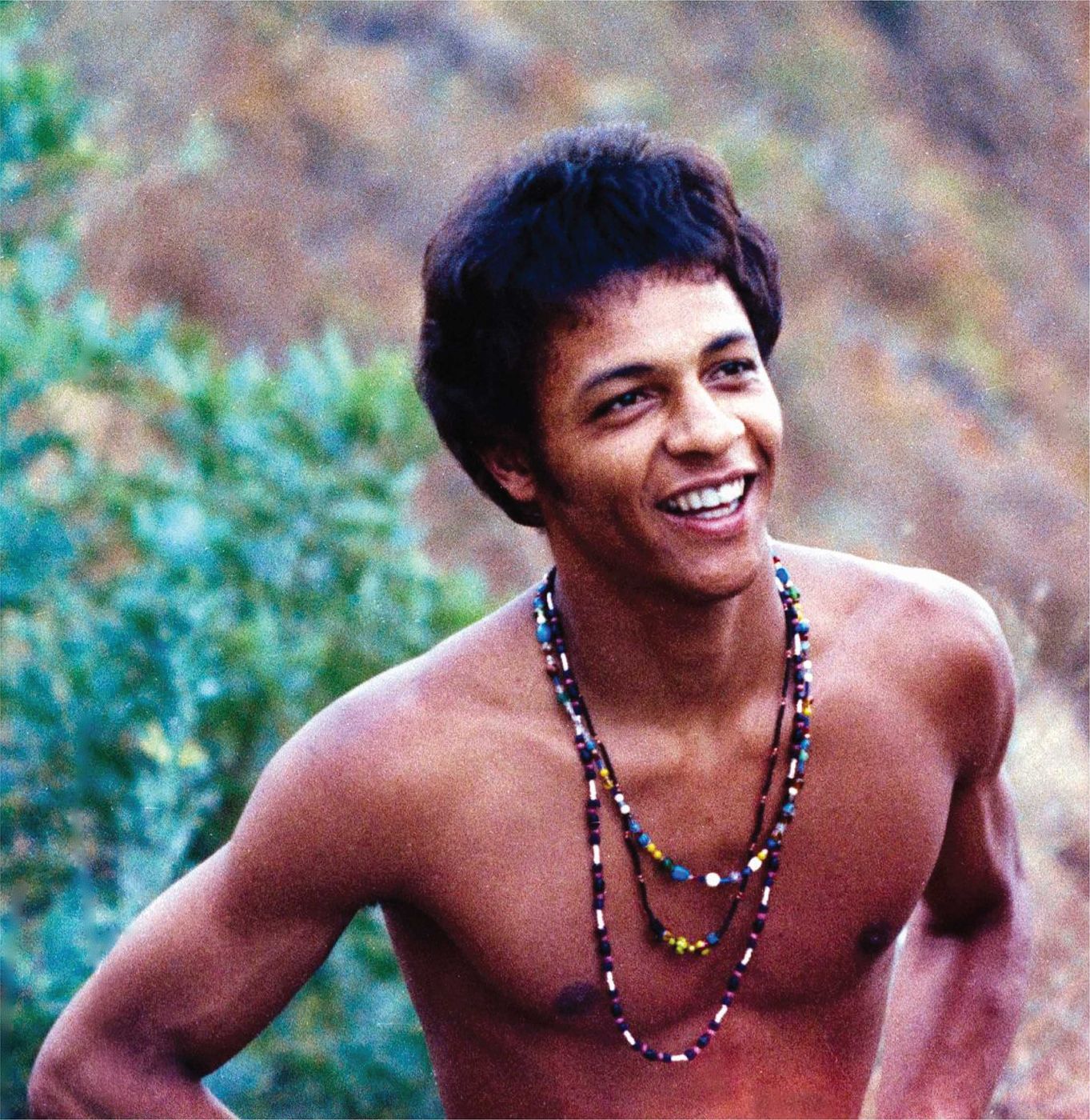
In May 1966 Andy Warhol brought the Exploding Plastic Inevitable and the Velvet Underground here. In the crowd Ronnie met Herb Cohen, who managed Love. That introduction ended with Arthur Lee asking her to fire Cohen and run the band herself.

Arthur Lee of Love© Ronnie Haran
04

Elektra Records

962 N La Cienega, just south of the Strip

Jac Holzman's West Coast office. Love was the label's first rock signing. Ronnie made the introductions that put The Doors in front of Holzman and producer Paul Rothchild, and Elektra signed them. Her photograph went on the back of Love's Forever Changes.

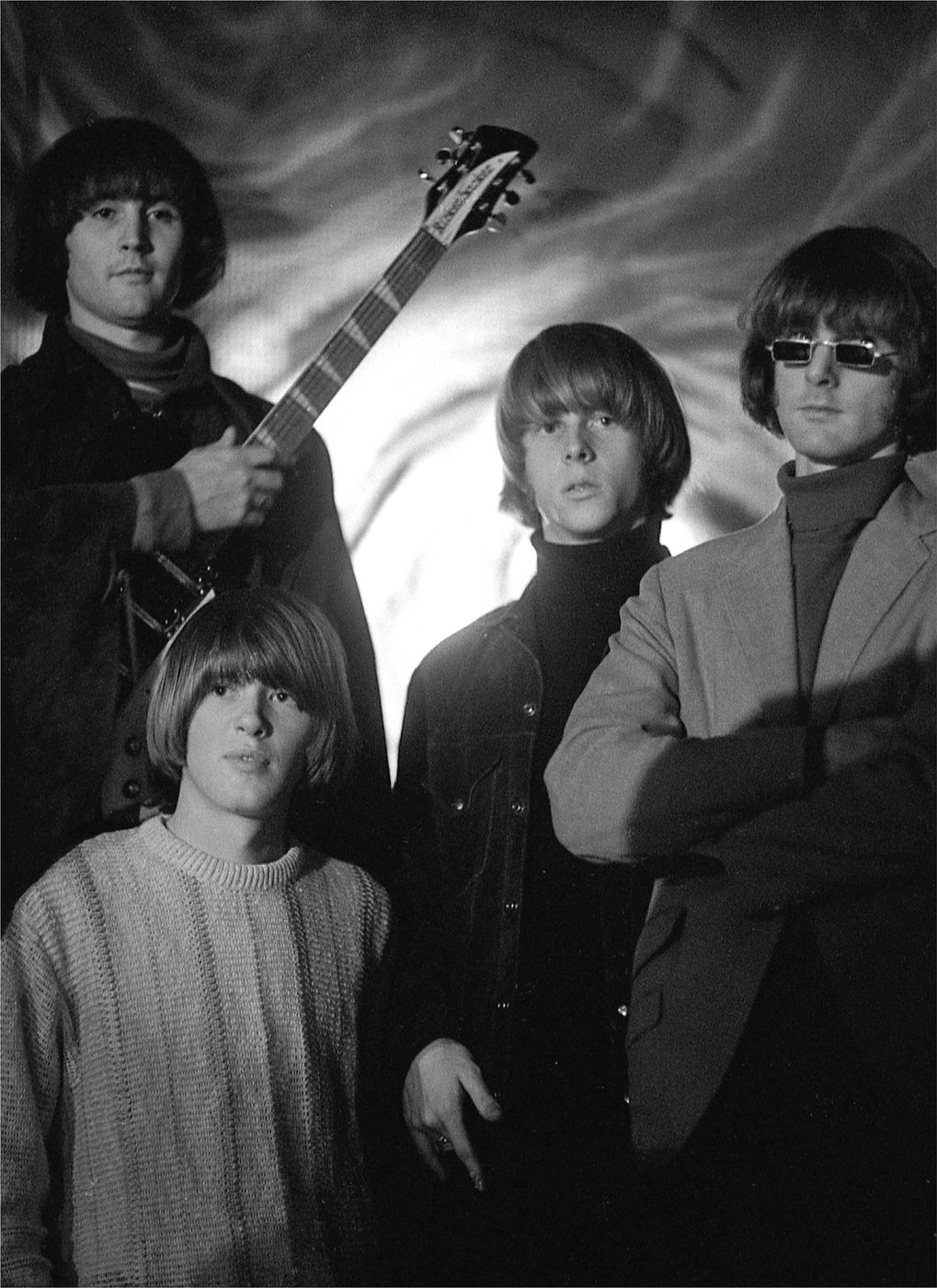
The Byrds, by Ronnie Haran© Ronnie Haran
05

Ciro's

8433 Sunset

The old Hollywood nightclub where The Byrds became The Byrds in the spring of 1965, with Bob Dylan dropping in. By 1966 it was It's Boss. Ronnie photographed the band and brought them to the Whisky.

06

Pandora's Box

Sunset at Crescent Heights

The east end of the Strip. On November 12, 1966 a curfew protest here became the Sunset Strip riots, and Buffalo Springfield, who shared the Whisky bill with The Doors that summer, wrote For What It's Worth about it. The club was torn down the next year.